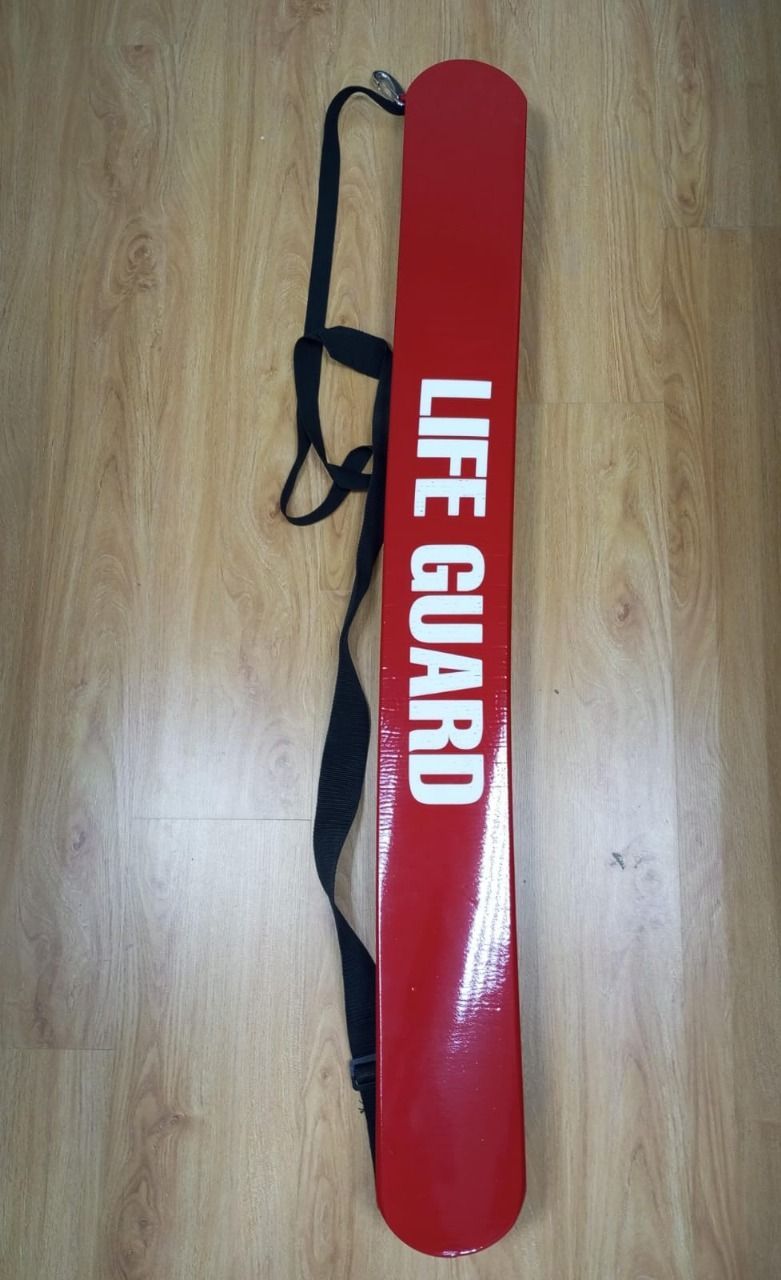
When seconds count in the water, no piece of equipment does more to save a life than a well-designed lifeguard rescue tube. Whether you’re managing a beach, pool, or marine facility, understanding this tool could make the difference between a close call and a tragedy.
Water emergencies can escalate in the blink of an eye. A swimmer who appears fine one moment can be in serious distress the next gasping, panicking, or already unconscious. In these critical seconds, the lifeguard rescue tube is a trained responder’s most reliable ally. Lightweight, buoyant, and always within arm’s reach, it has been the cornerstone of aquatic rescue for decades. This guide breaks down everything you need to know about it. And, its construction, features, proper use, and why investing in quality equipment matters enormously.
What Is a Lifeguard Rescue Tube?
A lifeguard rescue tube is a torpedo-shaped, highly buoyant float typically measuring between 40 and 50 inches (roughly 1 to 1.2 metres) in length. It is constructed from a soft foam core wrapped in a tough vinyl or plastic exterior as a combination that keeps it durable in saltwater, chlorinated pools, and rough open-water environments alike.
The tube is paired with an adjustable shoulder strap that allows a lifeguard to wear it across the body or over one shoulder, keeping both hands free during an approach swim. This strap doubles as a tow line once the victim has been secured. Most tubes are finished in bold red or orange with high-visibility “LIFEGUARD” lettering stamped in white and a colour scheme deliberately chosen to be spotted quickly from a distance or above the waterline.
How a Lifeguard Uses the Rescue Tube
Knowing the tool is one thing and understanding how it functions in a live rescue is another. The lifeguard first secures the shoulder strap across the chest so the tube trails behind, then enters the water in a controlled jump. During the approach swim, the tube drags behind while both hands remain free for a strong freestyle stroke. Upon reaching a panicked swimmer, the guard positions the tube between themselves and the victim is a critical step, as a distressed swimmer may instinctively push the rescuer underwater. The tube is then wrapped around the victim’s torso under the armpits, providing stable buoyant support. Finally, using the shoulder strap, the lifeguard tows both themselves and the victim back to shore, a pool edge, or a waiting vessel.
Why Quality Matters
Not all rescue tubes are created equal. In a real emergency, a tube that snaps, slips from a victim’s grasp, or loses buoyancy due to foam degradation can cost precious seconds or worse. Professional-grade tubes feature reinforced end caps, heavy-duty strap hardware, and foam densities rated for repeated rescue scenarios. Marine and aquatic safety authorities worldwide specify that lifeguard rescue equipment meet strict material and buoyancy standards. Choosing certified, purpose-built equipment isn’t just best practice; in many jurisdictions it is a legal requirement.
Who Needs a Lifeguard Rescue Tube?
The lifeguard rescue tube isn’t exclusive to professional lifeguards on duty. It is also an essential addition to the safety inventory of private yacht and boat owners, marine vessel operators, hotel and resort pools, beach clubs, and any organisation responsible for water safety. Having one on standby; even if it is never needed. It is a small investment against an irreversible outcome.
Available in standard 1 metre and extended 1.2 metre sizes, the rescue tube can be selected based on the body of water it will cover. Larger open-water environments generally benefit from the longer variant, which provides more surface area for securing a victim in choppy conditions.
If you are looking for a reliable, marine-grade option, the Rescue Tube with Strap from Seaonbag is built to professional standards and available for worldwide delivery is a straightforward choice for anyone serious about water safety.