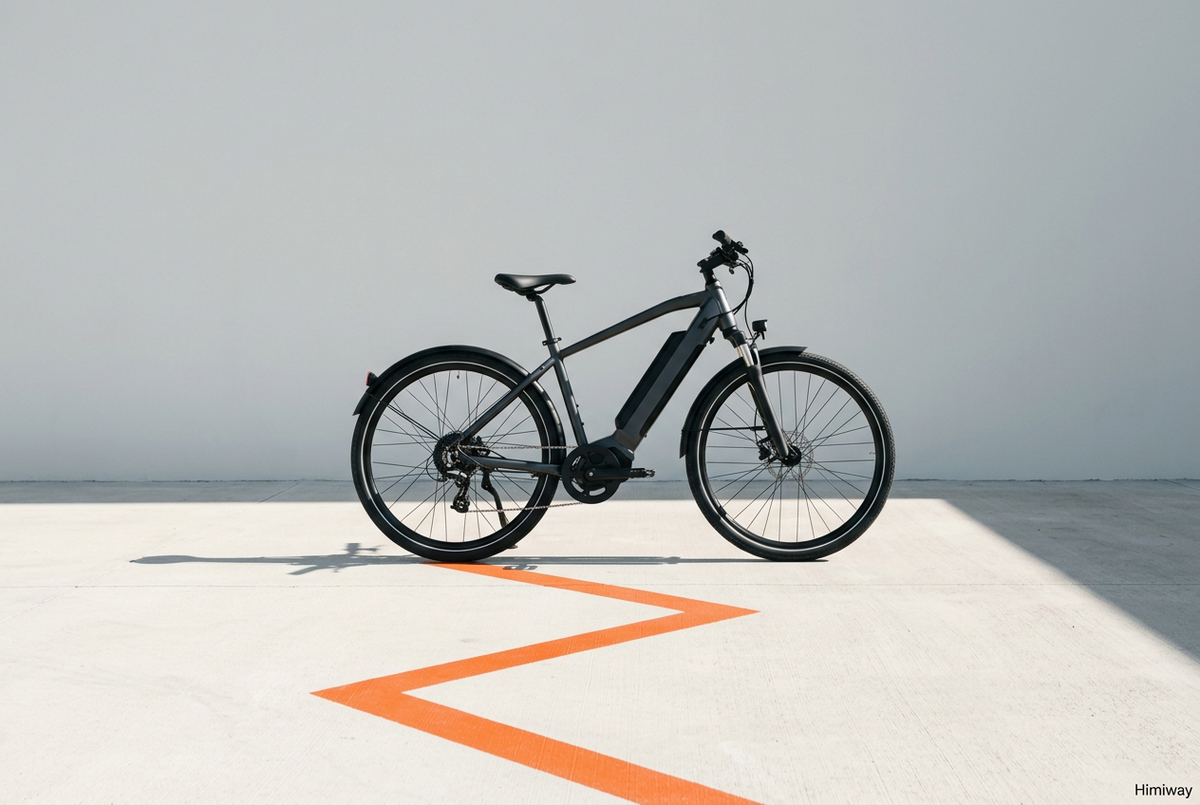
Electric bikes are becoming a popular choice for commuting, outdoor adventures, and everyday transportation. They make cycling easier, help riders travel longer distances, and offer a convenient alternative to driving. However, riding an electric bike for the first time can be different from riding a traditional bicycle.
Many beginners make simple mistakes that affect their safety, comfort, battery performance, and overall riding experience. Understanding these mistakes before getting started can help you enjoy your electric bike while avoiding unnecessary expenses.
Here are seven common ebike mistakes beginners should avoid.
1. Choosing the Wrong Ebike for Your Needs
One of the biggest mistakes beginners make is purchasing an electric bike based only on its appearance or price.
Not all electric bikes are designed for the same purpose. Some are built for city commuting, while others are better suited for trails, hills, or recreational riding.
Before buying an ebike, consider several important factors:
-
Riding purpose: Will you use it for commuting, exercise, shopping, or outdoor adventures?
-
Motor power: Choose a motor that provides enough assistance for your local terrain.
-
Battery range: Make sure the estimated range meets your daily riding needs.
-
Frame design: Select a bike that fits your height and physical abilities.
-
Comfort: Look for comfortable seating, suitable tires, and reliable suspension.
For example, the Himiway D5 2.0 series is worth considering for riders who want a versatile electric bike for commuting and recreational adventures. With a powerful 750W motor, fat tires, and full suspension on applicable models, it offers features that can make longer rides and uneven surfaces more comfortable.
Choosing the right electric bike from the beginning can prevent expensive upgrades or replacements later.
2. Ignoring Battery Charging and Maintenance
An ebike battery is one of the most expensive components to replace. Unfortunately, many beginners develop poor charging habits that can shorten battery life.
Common battery mistakes include leaving the battery in extreme temperatures, storing it completely discharged, and using incompatible chargers.
To protect your ebike battery:
-
Use the charger recommended by the manufacturer.
-
Avoid exposing the battery to excessive heat or freezing temperatures.
-
Store the battery at approximately 40%–60% charge during extended periods of inactivity.
-
Avoid regularly draining the battery completely.
-
Inspect the battery and charging connections for visible damage.
You should also avoid charging a frozen battery. Allow it to warm to a safe temperature before connecting the charger.
With proper care, many quality lithium-ion ebike batteries can provide several years of useful service, depending on charging habits, usage, and environmental conditions.
3. Using Too Much Motor Assistance
Electric bikes make riding easier, but beginners sometimes rely too heavily on the highest pedal-assist setting or throttle.
While maximum assistance can feel exciting, it also consumes battery power faster and may make the bike harder to control in crowded areas.
For new riders, starting with a lower pedal-assist level is usually the better approach.
Lower assistance levels offer several advantages:
-
-
Better control at low speeds
-
Improved battery efficiency
-
More opportunities for physical exercise
-
Greater confidence when learning to ride
As your riding skills improve, you can gradually increase motor assistance when climbing hills or traveling longer distances.
Remember that higher motor power does not mean you need to ride at maximum speed all the time.
4. Forgetting That Ebikes Are Heavier Than Regular Bicycles
Another common beginner mistake is underestimating the weight of an electric bike.
Ebikes typically weigh more than traditional bicycles because they contain a motor, battery, reinforced frame, and additional electrical components.
This extra weight affects handling, braking, transportation, and storage.
For example, a heavier electric bike may require more distance to stop, especially when traveling downhill or riding on wet roads.
Beginners should practice several basic skills before entering busy streets:
-
Starting and stopping smoothly
-
Braking at different speeds
-
-
-
Walking and maneuvering the bike when not riding
It is also important to consider bike weight when purchasing a vehicle rack or planning to carry the bike upstairs.
A comfortable frame design can make a noticeable difference. Riders who find mounting a traditional bicycle difficult may prefer a step-through model or a bike with a lower standover height.
5. Skipping Regular Ebike Maintenance
Some beginners assume electric bikes require very little maintenance because the motor assists with pedaling.
However, ebikes still have chains, tires, brakes, gears, and other mechanical components that experience wear.
In fact, the additional weight and power of an electric bike can increase stress on certain components.
A basic maintenance routine should include:
-
Before every ride: Check tire pressure, brakes, lights, and battery security.
-
Every few weeks: Inspect the chain, drivetrain, and visible fasteners.
-
Every few months: Check brake pad wear, tire condition, and electrical connections.
-
Periodically: Schedule a professional inspection based on riding frequency and manufacturer recommendations.
Cleaning your ebike regularly is also important, especially after riding in mud, rain, or dusty conditions.
Avoid directing high-pressure water at the motor, battery compartment, display, or electrical connectors.
Preventive maintenance can reduce repair costs and help keep your electric bike operating safely.
6. Ignoring Local Ebike Laws and Safety Rules
Electric bike regulations vary depending on where you live.
In the United States, many states use a three-class system to distinguish electric bikes based on motor assistance and maximum assisted speed.
Generally:
-
Class 1: Pedal assistance up to 20 mph, without throttle-only propulsion.
-
Class 2: Motor assistance up to 20 mph, including throttle operation.
-
Class 3: Pedal assistance up to 28 mph, typically with additional equipment or age requirements depending on the state.
However, these classifications and access rules are not identical everywhere.
Some cities restrict certain electric bikes from sidewalks, shared-use paths, or natural trails. Helmet requirements and minimum riding ages can also vary.
Before riding, check your local regulations and confirm where your ebike is permitted.
Safety equipment is equally important. Beginners should wear a properly fitted helmet, use lights when visibility is poor, and remain alert around pedestrians and vehicles.
Following traffic rules and riding at appropriate speeds will make your experience safer and more enjoyable.
7. Buying an Ebike Based Only on Discounts
Price is important, but purchasing the cheapest electric bike without researching its quality can lead to disappointment.
Beginners sometimes focus entirely on promotional offers while overlooking battery quality, frame comfort, replacement parts, warranty coverage, and customer support.
This mistake becomes particularly common during major shopping events.
For example, shoppers searching for a black friday ebike deal may find attractive discounts on many different models. However, a lower purchase price does not always mean better long-term value.
Before purchasing a discounted electric bike, compare:
-
Motor performance and battery capacity
-
Frame size and riding comfort
-
Brake quality and safety features
-
Warranty terms and customer service
-
Availability of replacement batteries and components
-
Final price, including shipping and additional fees
The Himiway D5 2.0 series is one option worth comparing during seasonal promotions. Its 750W motor, fat-tire design, and available full-suspension configurations make it appealing to riders looking for comfort and versatility.
Rather than choosing an electric bike solely because it is discounted, focus on finding a model that matches your riding habits and long-term expectations.
A well-chosen ebike can provide years of enjoyable transportation and outdoor recreation.
Additional Tips for First-Time Ebike Riders
Beyond avoiding these seven mistakes, beginners can improve their riding experience by developing a few simple habits.
Start with short rides in quiet areas before attempting longer trips. Become familiar with your bike's controls, pedal-assist settings, and braking response.
Plan your routes carefully and pay attention to battery range. Keep in mind that hills, strong winds, rider weight, tire pressure, and assistance levels can all affect how far you can travel.
Wear comfortable clothing, stay hydrated, and carry essential items such as a phone, tire repair kit, and basic multitool.
Most importantly, increase your riding distance and speed gradually as your confidence improves.