Seasonal decorations play an important role in creating the visual identity of Christmas celebrations. Lighting can highlight architectural details, complement traditional ornaments, and transform ordinary spaces into attractive holiday environments. For residential users, retailers, hotels, and event organizers, LED Christmas Decoration Lights provide a versatile option for developing decorative displays across different settings. Their range of shapes, colors, and installation styles makes it possible to create everything from subtle interior accents to large commercial lighting arrangements.
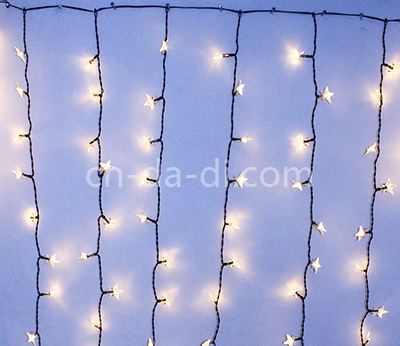
Decorative lighting products are available in many structures, each serving a different visual purpose. Traditional string lights are frequently used on Christmas trees, around windows, and along stair railings. Curtain lights can create a layered background for walls, windows, and event stages. Net lights are designed to cover larger surfaces more evenly and can be useful for bushes, fences, and selected outdoor structures. Other decorative designs may incorporate shaped covers, flexible wires, illuminated ornaments, or clusters of individual light sources. Choosing the appropriate structure helps achieve the intended appearance without unnecessary installation complexity.
LED technology is widely used in modern seasonal lighting because it offers energy-efficient illumination and a broad range of design possibilities. Different LED arrangements can produce focused points of light, continuous decorative outlines, or distributed illumination across a larger surface. Depending on the model, products may provide steady lighting, flashing effects, gradual changes, or combinations of different lighting modes. These functions allow buyers to coordinate decorations with the style of a building, the color scheme of an interior, or the atmosphere of a particular event.
Color selection has a significant influence on the appearance of Christmas displays. Warm white lighting is often associated with traditional holiday decorations and works well with natural wood, greenery, gold ornaments, and neutral interiors. Cool white illumination can create a cleaner and more contemporary appearance. Red and green combinations reinforce familiar Christmas themes, while blue, purple, and multicolor lighting can support more creative decorative concepts. Commercial buyers may select a consistent color scheme across multiple locations to strengthen seasonal brand presentation and create a recognizable visual environment.
Materials and product construction also influence decorative performance. Copper wire is frequently used in fine decorative lighting because of its flexibility and ability to follow irregular shapes. It can be arranged around branches, wreaths, glass containers, and small decorative objects. PVC-insulated wires are used in many conventional lighting products, with their construction selected according to electrical and environmental requirements. Transparent cables may help create a less visible appearance, while colored wires can coordinate with the decoration itself. The outer structure of an LED cover or decorative housing can also affect light diffusion, brightness distribution, and the final visual effect.
Different installation environments require careful product selection. Indoor applications include Christmas trees, windows, ceilings, bedrooms, living rooms, reception desks, restaurant interiors, and retail shelves. In these spaces, decorative appearance and convenient positioning are often important considerations. Outdoor applications may include garden trees, building outlines, balconies, fences, entrances, and landscape features. Buyers should verify whether a particular model is designed for outdoor use and check its protection rating, electrical connections, and resistance to the expected environmental conditions. Moisture exposure, wind, temperature variation, and installation height should all be considered before purchasing outdoor lighting.
Commercial environments often require more coordinated decoration plans than individual homes. Shopping centers may use illuminated displays to attract attention to seasonal product areas, while hotels can incorporate lighting into lobbies, reception counters, restaurants, and guest-facing spaces. Restaurants may prefer warm illumination that complements their interior design, whereas retail stores may use brighter colors to create a more noticeable promotional environment. Public event organizers can combine different decorative lighting structures to establish themed zones, highlight entrances, and create attractive locations for visitors.
When planning a decorative installation, buyers should consider dimensions, power supply arrangements, connection methods, and the relationship between different lighting products. A lighting layout should fit the available space and leave sufficient room for access, maintenance, and safe movement. Cable routing should avoid sharp edges and areas where wires could be crushed or exposed to unnecessary stress. Power supplies and controllers should match the electrical requirements of the selected models. For larger displays, testing each section before final installation can help identify connection issues and confirm that the colors and effects are consistent.
For wholesalers, importers, and project purchasers, product specifications and supply arrangements are essential parts of the selection process. Useful purchasing considerations include LED type, light color, wire material, product length, power configuration, lighting functions, packaging, and intended application. Customization possibilities may vary by model and manufacturer, so buyers should confirm available options before placing an order. Requesting samples can also help assess product appearance, material quality, and suitability for the target market. Clear communication about destination market requirements and intended installation conditions supports a more efficient purchasing process.
A well-designed seasonal display combines lighting products with the surrounding architecture, furniture, ornaments, and decorative materials. Selecting compatible colors and structures helps create a balanced appearance across residential and commercial spaces. By evaluating construction, illumination effects, installation requirements, and purchasing specifications, buyers can identify LED Christmas Decoration Lights that meet their decorative and operational needs. Additional Christmas lighting products and design options are available at https://www.cn-da-di.com/product/other-christmas-lights/ for buyers planning seasonal displays and commercial decoration projects.