In the global packaging industry, production consistency and material reliability are essential for businesses that depend on flexible packaging for storage, transportation, and distribution. A professional PP Woven Bag Factory needs to coordinate material selection, weaving technology, conversion processes, and quality management to produce packaging that meets different commercial requirements. Understanding these manufacturing elements helps buyers evaluate suppliers and choose packaging solutions suited to their products and supply-chain conditions.
Polypropylene is widely used in woven packaging because it combines practical strength with relatively low weight and adaptability. The material can be processed into narrow tapes and woven into fabric structures that provide support during filling, stacking, storage, and transportation. Compared with some conventional packaging materials, woven polypropylene offers flexibility in bag construction and can be adapted for different product categories. Its properties make it relevant to industries handling agricultural goods, construction materials, minerals, chemicals, and various industrial commodities.
The manufacturing process begins with raw material preparation. Polypropylene resin is selected according to the intended fabric characteristics and processing requirements. During extrusion, the material is melted and formed into thin films, which are then slit into tapes and stretched to improve their strength and dimensional stability. Careful control during this stage influences the consistency of the tapes and their suitability for subsequent weaving. Variations in raw material quality or processing conditions can affect the finished fabric, making production control an important part of manufacturing.
Weaving transforms polypropylene tapes into a fabric structure. Circular looms or other suitable weaving equipment interlace the tapes to create a stable surface with useful tensile properties. The fabric's construction can influence its flexibility, appearance, and performance during handling. Manufacturers must consider the intended packaging application when selecting weaving methods and fabric characteristics. Products intended for heavier materials may require different structural considerations from packaging used for lighter agricultural or consumer goods.
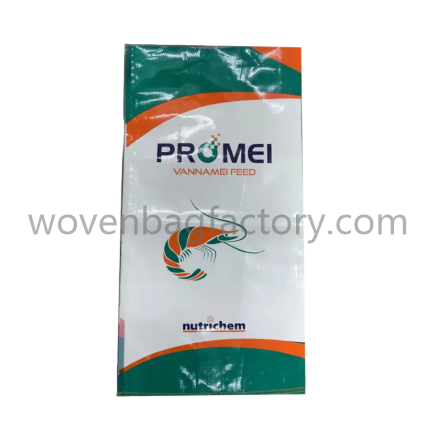
After weaving, the fabric moves through conversion operations. Depending on the product design, these may include cutting, printing, folding, sewing, and other finishing procedures. Accurate cutting helps maintain consistent bag dimensions, while suitable stitching contributes to the integrity of seams and handles. Printing can provide product identification, handling instructions, branding, and other information required during distribution. Coordination between these operations helps maintain a consistent appearance and functional structure across production batches.
Quality management should cover the entire manufacturing workflow rather than relying only on final inspection. Raw materials, tape formation, fabric weaving, printing accuracy, cutting dimensions, and seam construction all influence the usability of the finished packaging. Manufacturers can establish inspection procedures at different production stages to identify irregularities before they affect larger quantities of products. Consistent process monitoring also supports communication between production teams and helps businesses maintain predictable packaging quality.
Application requirements are another important consideration when developing woven packaging. Agricultural products may require packaging that supports ventilation and convenient handling, while powdered or granular industrial materials may need additional attention to containment and closure design. Construction materials often involve demanding loading and transportation conditions. A packaging supplier should understand how products are filled, stacked, stored, and moved before recommending a suitable structure. This application-oriented approach helps align manufacturing decisions with actual operating environments.
Printing and customization also influence the commercial value of woven bags. Businesses may need packaging that displays product information clearly or supports brand recognition throughout the distribution process. Printing methods, surface preparation, and artwork management should be considered together to maintain legibility and visual consistency. The relationship between fabric characteristics and printing requirements is particularly important when packaging includes detailed graphics or multiple colors.
Sustainability considerations are increasingly relevant to packaging procurement. Polypropylene is a thermoplastic material that can be recycled through appropriate collection and processing systems. However, practical recyclability depends on local infrastructure, material composition, contamination levels, and the design of the finished packaging. Manufacturers can contribute by considering material efficiency, reducing unnecessary production waste, and helping customers understand the material characteristics of their packaging. Buyers should assess sustainability claims in relation to actual product composition and available recycling arrangements.
Supplier evaluation should therefore extend beyond price comparisons. Buyers can examine manufacturing experience, process control, customization capabilities, communication efficiency, and the ability to maintain consistent production schedules. Clear specifications and early discussions about product use can reduce misunderstandings during development. Cooperation between buyers and manufacturers also makes it easier to address changes in packaging design, printing requirements, and delivery arrangements as business needs evolve.
For companies sourcing woven packaging, a dependable manufacturing partner can support more organized procurement and long-term product planning. HONGYANG focuses on woven packaging solutions and manufacturing processes designed around practical application requirements. Businesses evaluating a PP Woven Bag Factory can learn more about available packaging options and production capabilities through https://www.wovenbagfactory.com/product/kraft-paper-bag/