<!--StartFragment-->
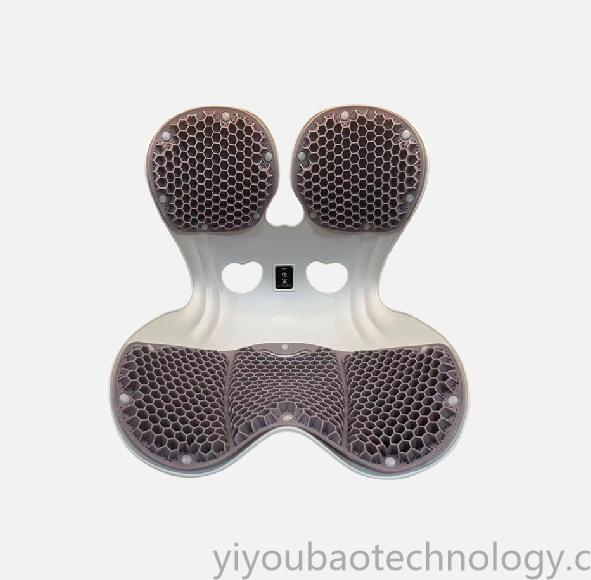
Modern seating products are expected to combine comfort, practical functionality, and compatibility with different furniture styles. In offices, study rooms, and home workspaces, users often spend long periods sitting while completing tasks that require concentration. A Lumbar Support Posture Corrector Chair solution is designed around the relationship between chair structure, body positioning, and lower-back support. For manufacturers and international buyers, understanding this relationship is important when developing seating products that respond to everyday requirements without relying on exaggerated performance claims.
The design of a supportive chair begins with an understanding of how people interact with the seating surface. Users have different body proportions, sitting habits, and furniture preferences. A chair that feels comfortable to one person may not provide the same experience to another. For this reason, ergonomic product development should consider the shape of the backrest, the depth of the seat, the position of the support area, and the way the chair accommodates natural movement. Accessories intended to improve seating comfort should complement these features rather than create an awkward or restrictive sitting position.
A contoured backrest is often used to provide more contact around the lower-back area. Its shape can help reduce the gap between the user's back and a chair that does not match their body profile. However, the degree of contouring needs careful evaluation. A support surface that protrudes too far may feel intrusive, while one that is too flat may not provide the intended contact. Designers should assess the product with users of different body sizes and on several chair styles. This approach helps identify whether the design offers a balanced experience across its intended customer group.
Material selection is central to the development of comfortable seating accessories. Molded foam is widely used because it can be shaped into different contours and adjusted to provide varying levels of firmness. Other cushioning materials may offer different recovery characteristics, surface feels, or production advantages. Mesh and fabric covers can influence ventilation, appearance, and cleaning requirements. The choice of material should reflect the product's intended environment, expected frequency of use, and target market. For example, a product for a shared workplace may require a surface that is easy to maintain, while a home-oriented design may place greater emphasis on texture and visual coordination.
The internal structure should maintain its intended form during normal use. Material density, thickness, and overall construction influence how the product responds to repeated pressure. If the cushioning compresses unevenly, the support surface may become less consistent over time. Manufacturers can evaluate material recovery and structural stability through repeated-use testing and sample inspections. The outer cover should also fit the internal structure properly. Loose fabric, uneven seams, or poorly finished edges can affect both appearance and user experience. Careful control of these details contributes to a more reliable finished product.
Adjustability is another feature worth considering. Users may need to position a support accessory at different heights depending on their body proportions and chair design. Straps, buckles, elastic fastening systems, and adjustable attachment points can help accommodate these differences. The fastening structure should hold the product securely while remaining simple to install and remove. It should also avoid interfering with the chair's existing adjustment functions. During product testing, manufacturers should check whether the accessory shifts during ordinary sitting movements and whether the fastening system remains practical after repeated adjustment.
The term posture support can refer to several different product approaches, so buyers should examine the actual construction rather than relying only on product names. Some designs provide a shaped contact surface, while others combine a backrest accessory with a chair frame or additional adjustment features. These products may serve different seating preferences and applications. Clear product descriptions should explain how the design is intended to be used, which chair types it can accommodate, and what materials are included. Accurate descriptions help reduce misunderstandings between suppliers, distributors, and end users.
Manufacturing consistency is essential for businesses sourcing seating accessories at scale. Relevant production stages may include foam molding, material cutting, cover sewing, fastening assembly, surface finishing, and packaging. Each stage requires appropriate quality checks. Buyers may want to review sample dimensions, stitching quality, material appearance, fastening performance, and packaging protection. Suppliers should also be able to explain how they manage changes in raw materials and maintain consistency between production batches. These details are particularly important for private-label projects and long-term distribution arrangements.
Market requirements can influence product appearance and configuration. Office furniture retailers may prefer understated colors and designs that coordinate with common chair styles. Online sellers may prioritize compact packaging, clear product photography, and straightforward installation information. Corporate procurement teams may focus on durability, ease of maintenance, and suitability for shared workspaces. Buyers serving several markets may also need different cover materials, branding options, or packaging formats. Discussing these requirements early can help manufacturers determine which customizations are practical and which may affect production lead times.
Before choosing a supplier, buyers should request product samples and assess them in realistic seating conditions. They can compare contouring, cushioning feel, attachment stability, cover quality, and compatibility with representative chairs. It is also useful to confirm customization options, inspection procedures, packaging details, and communication arrangements. A reliable sourcing decision should be based on both product evaluation and the supplier's ability to support repeat orders. Clear specifications and documented expectations can make cooperation more efficient for both parties.
A well-developed seating solution combines thoughtful ergonomic design with suitable materials, practical adjustment features, and controlled manufacturing processes. A Lumbar Support Posture Corrector Chair product should be evaluated according to its actual structure, intended use, and compatibility with the target seating environment. Buyers exploring related seating accessories and manufacturing options can review the product range at https://www.yiyoubaotechnology.com/product/lumbar-supports-seat-cushions/ to support their product selection and sourcing process.
<!--EndFragment-->