<!--StartFragment-->
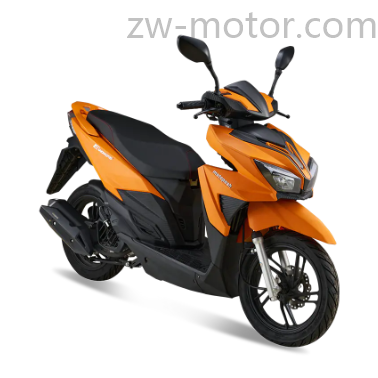
The scooter industry depends on manufacturers that can coordinate vehicle design, component sourcing, assembly, and quality inspection to meet the needs of different transportation markets. When evaluating a Scooter Manufacturer, international buyers should look beyond product appearance and consider the complete production process. Manufacturing consistency, component compatibility, technical communication, and supply arrangements all influence the reliability of a sourcing partnership. A capable production partner should be able to explain its available vehicle configurations and provide clear information about the products offered.
Scooter manufacturing begins with product planning and structural design. Engineers and production teams need to consider the intended vehicle category, expected operating environment, rider requirements, and relevant market regulations. These factors influence the selection of frame structures, engine arrangements, transmission systems, suspension components, and exterior styling. The design process also needs to account for component installation and maintenance accessibility. A vehicle that is difficult to assemble or service may create unnecessary challenges for both manufacturers and distributors.
The frame is one of the central structural elements of a scooter. It supports major mechanical components and contributes to the overall rigidity of the vehicle. Its geometry affects wheel positioning, steering behavior, seating arrangements, and rider ergonomics. Manufacturing processes must maintain appropriate dimensional consistency so that related components can be installed correctly. Depending on the model, structural parts may involve metal forming, welding, machining, and surface treatment. Each process requires suitable inspection procedures to identify potential manufacturing defects.
Engine and transmission integration represents another important area of production. Scooter models may use different engine displacements and mechanical arrangements depending on their intended applications. The engine must work in coordination with the transmission, cooling arrangement, fuel delivery system, and electrical components. Manufacturers should ensure that the selected components are compatible with the specific vehicle design. Buyers should obtain model-specific technical documentation because engine specifications and available configurations may vary across a product range.
Component sourcing can significantly influence manufacturing consistency. A scooter contains numerous parts, including wheels, tires, braking components, lighting systems, wiring harnesses, switches, suspension assemblies, seats, and body panels. Suppliers should be evaluated according to their ability to provide components that meet the required specifications. Incoming inspections can help identify dimensional differences, surface defects, or incomplete parts before these materials enter the production line. Proper component management also supports traceability and more efficient production planning.
Assembly procedures transform individual components into a complete vehicle. Production workers follow defined sequences to install the frame, powertrain, electrical system, exterior panels, and other assemblies. Correct fastening, cable routing, connector installation, and component alignment are essential during this stage. Manufacturers can use standardized work instructions to improve consistency between production batches. Supervisors may also perform intermediate checks to identify problems before a vehicle advances to the next assembly stage.
Quality control should be integrated throughout manufacturing. Initial inspections focus on raw materials and purchased components, while in-process checks examine assembly accuracy and installation quality. Final inspections can cover starting performance, lighting operation, braking response, steering movement, and general appearance. These checks help identify problems that may affect vehicle usability or customer satisfaction. Inspection procedures should reflect the actual design and specifications of each model rather than relying on a single generic checklist for all products.
Exterior finishing also requires attention. Plastic panels, painted surfaces, decorative elements, and protective coatings contribute to the vehicle's visual quality and resistance to everyday environmental exposure. Inconsistent color, uneven panel gaps, loose fittings, or surface imperfections can affect the perceived quality of a finished scooter. Careful handling during assembly and packaging helps reduce cosmetic damage before products reach distributors. Manufacturers should also consider how packaging methods protect vehicles during domestic handling and international transportation.
For overseas buyers, production capability is only one part of supplier evaluation. Communication, order management, delivery planning, and documentation are equally important. Importers should ask about available models, production schedules, customization possibilities, spare parts arrangements, and packaging requirements. They should also clarify minimum order quantities and confirm whether the requested configurations are available for the intended order. Clear specifications reduce the risk of misunderstandings during production.
Market regulations require particular attention when sourcing vehicles internationally. Requirements involving emissions, lighting, braking equipment, registration, and vehicle classification can differ between countries. A product suitable for one market may require different equipment or documentation for another. Buyers should confirm the applicable standards for the exact model, production year, and destination country. Any certification or compliance claim should be supported by relevant documentation rather than assumed from a general product description.
Long-term cooperation is strengthened when both parties maintain clear expectations. Distributors benefit from receiving accurate product information, consistent specifications, and timely updates about order progress. Manufacturers benefit from understanding local market preferences, customer feedback, and expected sales volumes. This exchange can help improve product selection and support more efficient planning for future orders.
Choosing a Scooter Manufacturer therefore requires a comprehensive assessment of engineering, production management, quality inspection, and international cooperation capabilities. For importers, wholesalers, and regional dealers, these factors provide a practical framework for identifying suppliers that match their business requirements. Taizhou Jiaojiang Zhiwei Motorbike Manufacture Co., Ltd. offers scooter motorcycle product information for buyers evaluating vehicle sourcing opportunities, with further details available at https://www.zw-motor.com/product/scooter-motorcycle/
<!--EndFragment-->