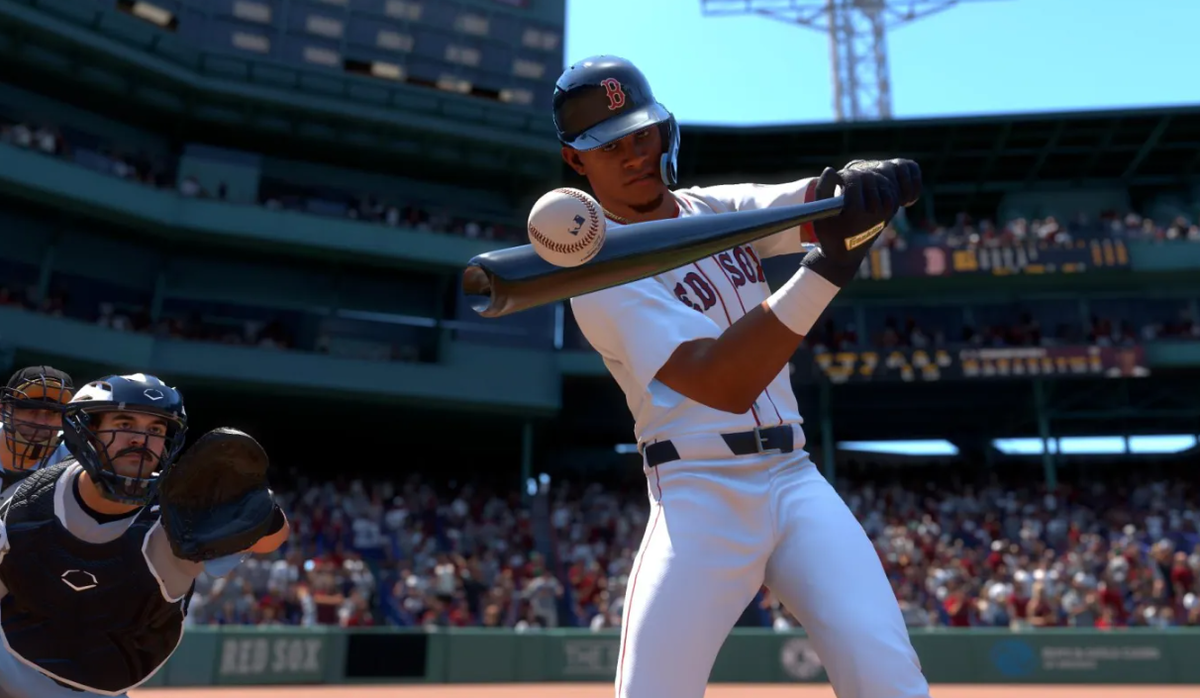
If you spend real time in MLB The Show 26, you'll notice pretty quickly that hitting is less about guesswork and more about reading what's in front of you. A lot of players jump straight into swings and wonder why they keep rolling over pitches or popping up fastballs. The answer usually comes down to timing, patience, and knowing when a card is worth every bit of its value, especially if you've been building a roster with MLB 26 Stubs.
Reading the At-Bat Instead of Chasing It
The best hitters do not try to win every pitch. They let the at-bat come to them. That sounds simple, but in practice it means sitting on a speed, watching the pitcher's release, and refusing to swing just because the ball is near the zone. You start to see patterns. A guy might lean on sliders once he gets ahead. Another one will keep coming back to the high fastball when he feels pressure. Once you spot that, your whole approach changes.
Swing choice matters here too. Normal Swing is still the one most players should trust most of the time. It keeps your options open. Contact Swing makes sense when you are protecting with two strikes and just want the bat on the ball. Power Swing can pay off, but it's not something to force every inning. If the count is ugly, or the pitch is outside your wheelhouse, trying to muscle it often ends badly. A lot of players learn that the hard way.
Choosing the Hitting Style That Fits You
Zone Hitting is still the main choice for anyone who wants full control. It asks more from you, no doubt about that, but it also gives you the most say in what happens after the pitch leaves the hand. If you can move the PCI well and stay calm under pressure, you'll get better contact and more gap shots. Fixed Zone Hitting gives you a different feel. Some players like the idea of setting the zone and waiting where they think the ball will come. It can work if you've got good instincts and you're not just guessing.
Big Zone Hitting is easier to live with when you're still learning. The larger PCI helps you stay competitive while you figure out pitch speeds and movement. Timing Hitting strips things down even more, which can be a nice break if you just want a simpler approach. Directional Hitting sits somewhere in the middle. It gives you a bit of influence without asking you to manage every detail of the PCI. People usually settle on one of these and stay there once they feel comfortable, since switching constantly can mess with your rhythm.
Small Edges That Start to Matter
Pitch recognition is where a lot of games are won. Not in a flashy way either. More like tiny wins over time. You stop chasing the slider off the plate. You stop late-swinging every good fastball. You begin to notice that some pitchers repeat patterns when they get nervous, and that's when you can jump on a mistake. Timing matters just as much. A perfect PCI move can still give you a weak result if your swing is late or early. That's why so many players spend time in practice modes getting used to different speeds instead of just hoping their eyes will catch up in ranked games.
The new PCI sensitivity options in MLB The Show 26 add another layer, but they only help if you know what kind of hitter you are. Faster settings can help you react to hard stuff up in the zone. Slower settings give you more control if your hands get twitchy. The removal of PCI shrinkage on sliders and sweepers also changes the feel of some at-bats. Breaking pitches are still dangerous, of course, but now the real test is your judgment. Do you recognize it early enough to hold up, or are you still flinching at the same old bait.
Playing the Long Game at the Plate
One thing that gets overlooked is how much a good offensive inning depends on discipline, not just raw power. Working the count forces the pitcher to throw something hittable. It also gives you a better read on what he trusts. If he has to come into the zone, you're in business. If he falls behind, even better. That is where a lot of extra-base damage starts. On the other side, when you're down to two strikes, the goal shifts. You're not hunting a perfect launch angle anymore. You're trying to survive, fight off tough pitches, and make the other side earn the out.
The ABS Challenge System adds a little drama too. It is not something you lean on every inning, but in a tight game a single call can change the feel of the whole matchup. If you burn challenges too early, you'll hate yourself later. If you save them for the right moment, they can swing momentum in a way that stats never fully show. That's part of what makes MLB The Show 26 interesting this year. The game asks for more than button timing. It asks you to think a bit, stay patient, and trust the swing you've built over time, whether you earned your roster pieces through grinding or used MLB The Show 26 Stubs to speed things up.